Field guide · Codex
Attack on Titan Character Relationships
This is not a list of names. It is a living field map of the world — a way to see how the cast connects through blood, loyalty, conflict, command, and Titan-linked inheritance, without ever pushing you past the episode you have reached. Read it like an annotated atlas, not a puzzle to solve alone.
- Spoiler-safe
01Orientation
What the graph represents
Open the graph and you are reading territory, not a roster. Every portrait card is a character. The tinted zones behind the cards are factions, drawn like neighborhoods on a map. And every line between two portraits is a bond, colored by what kind of bond it is — family, romance, alliance, rivalry, or Titan inheritance.
Step back and the shape of the story appears: who moves together, who stands opposed, and which quiet ties hold entire arcs in place. Everything on screen respects the episode you have reached — nothing ahead of you is ever drawn.
02Reading
How to read nodes and edges
Each node is a person, Titan, or key entity in the codex. Each edge tells you why two names belong in the same conversation. The simplest way to read it is to begin with one familiar name and move outward in rings.
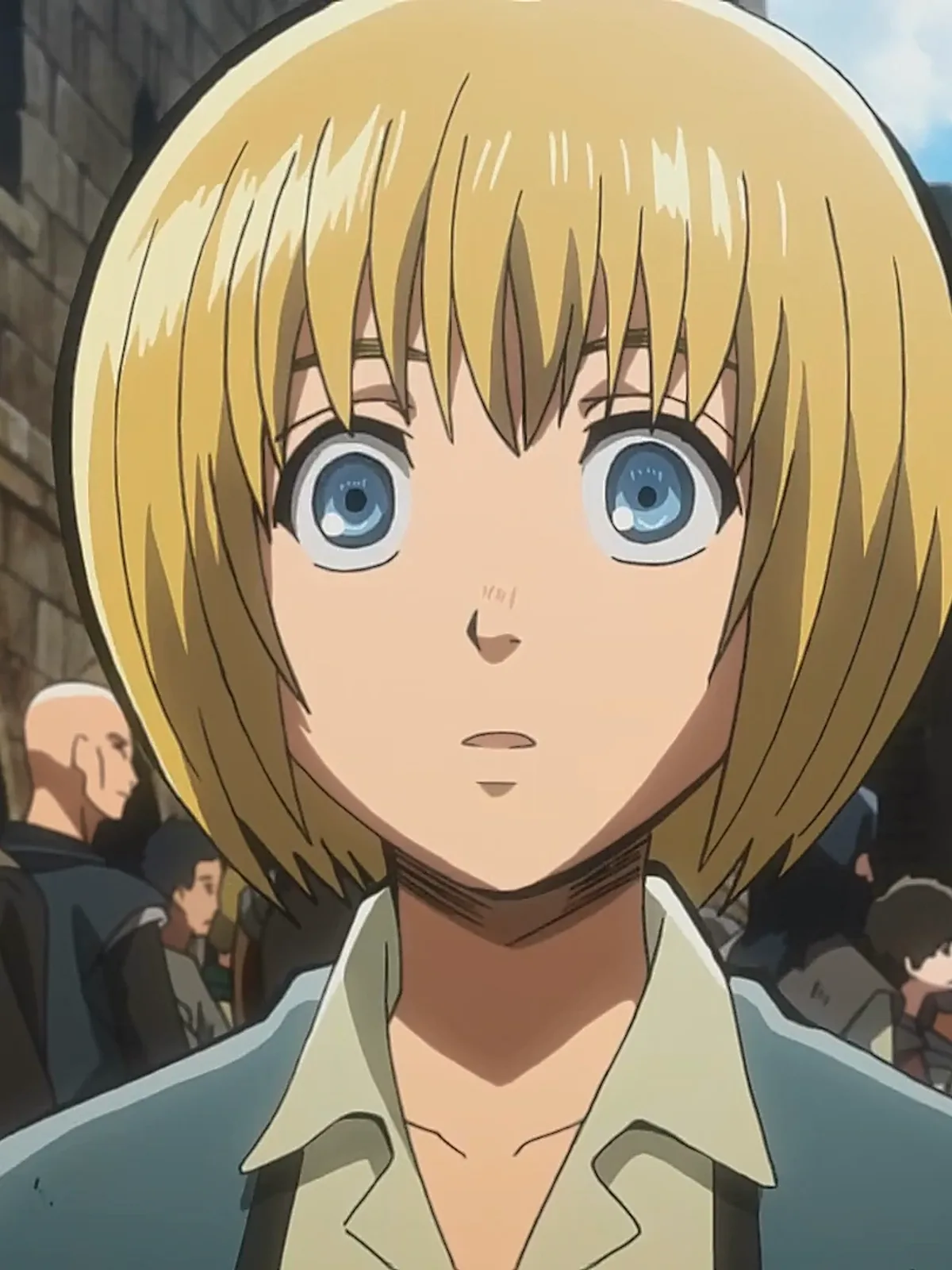
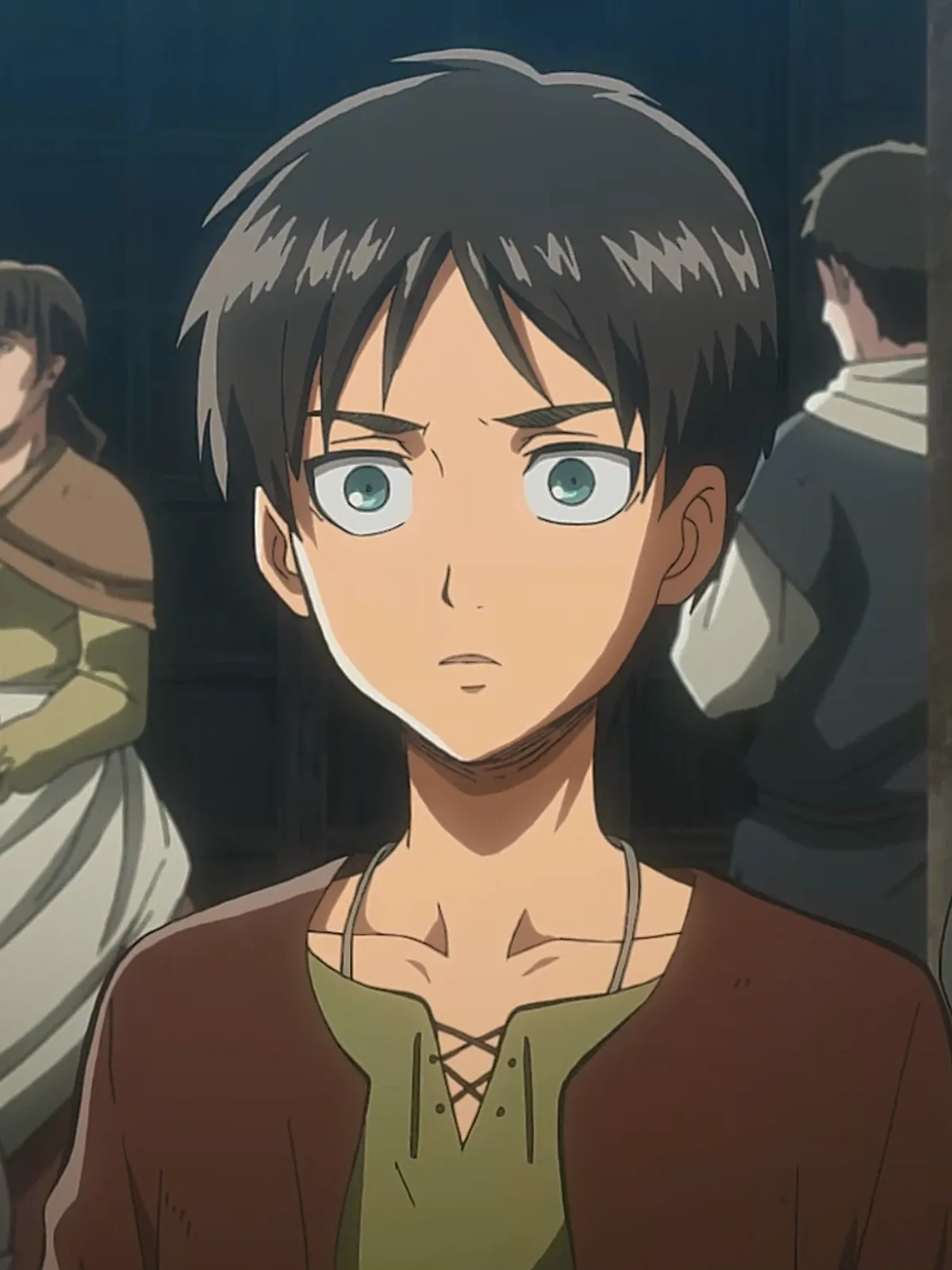
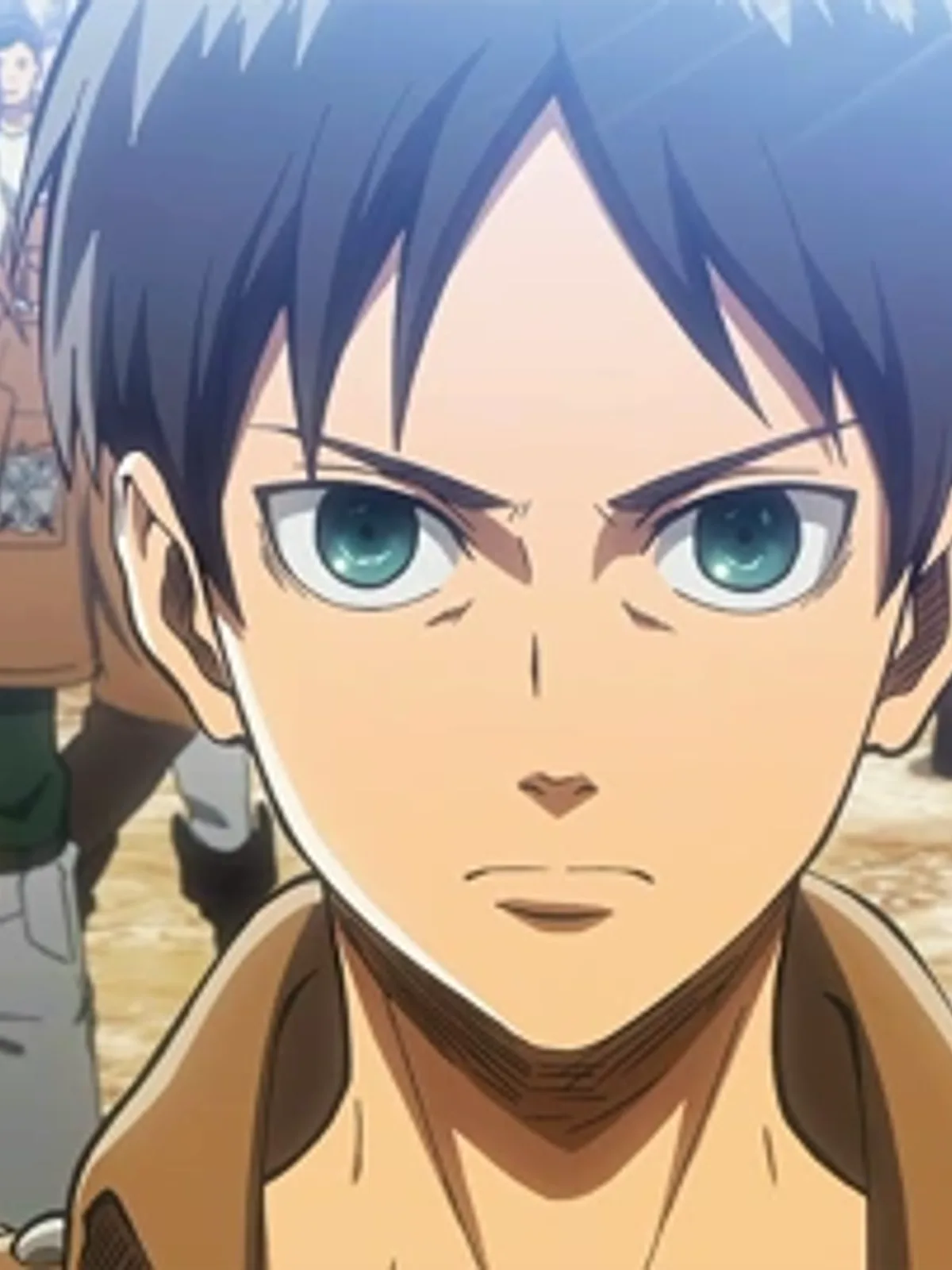
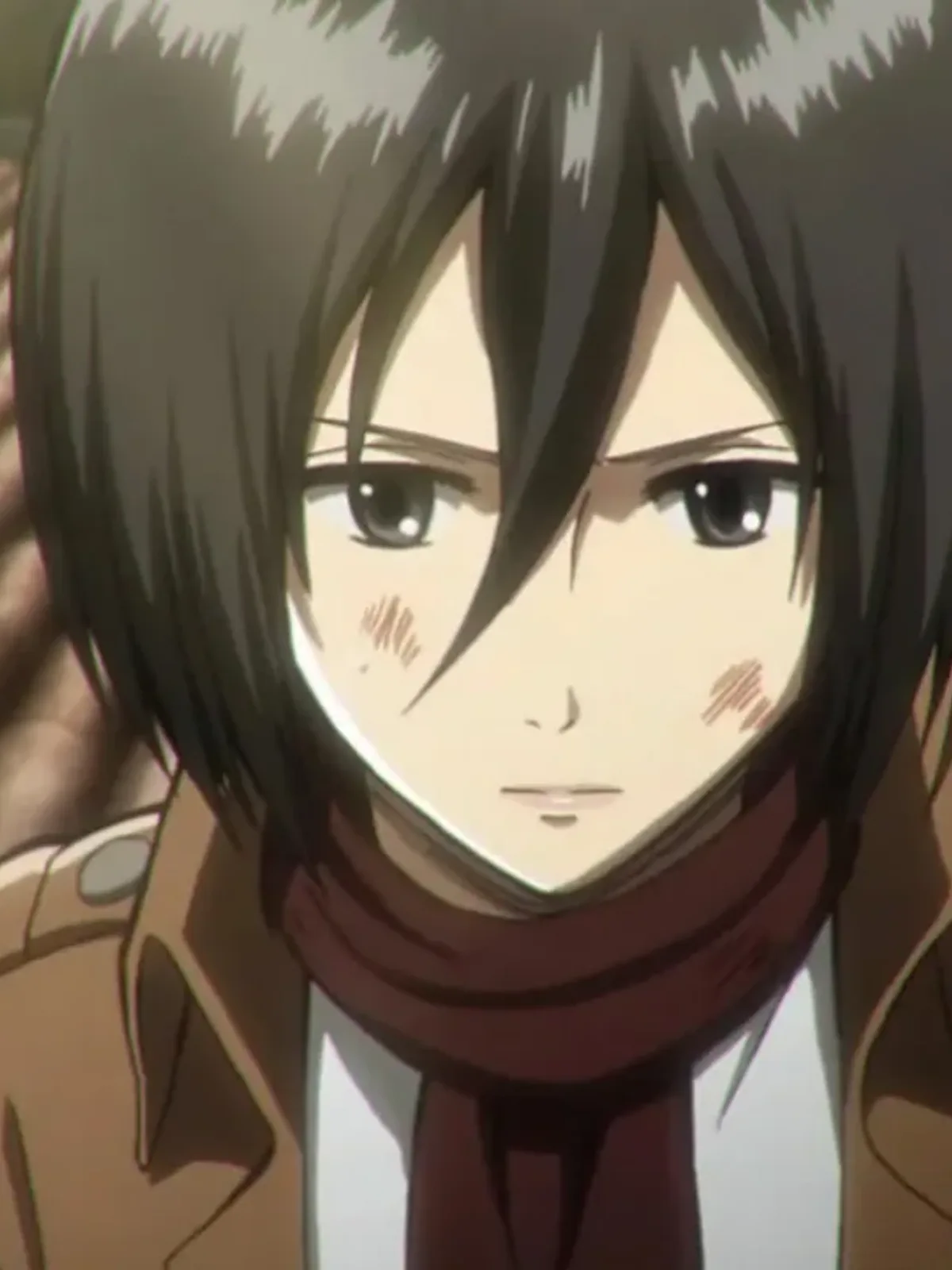
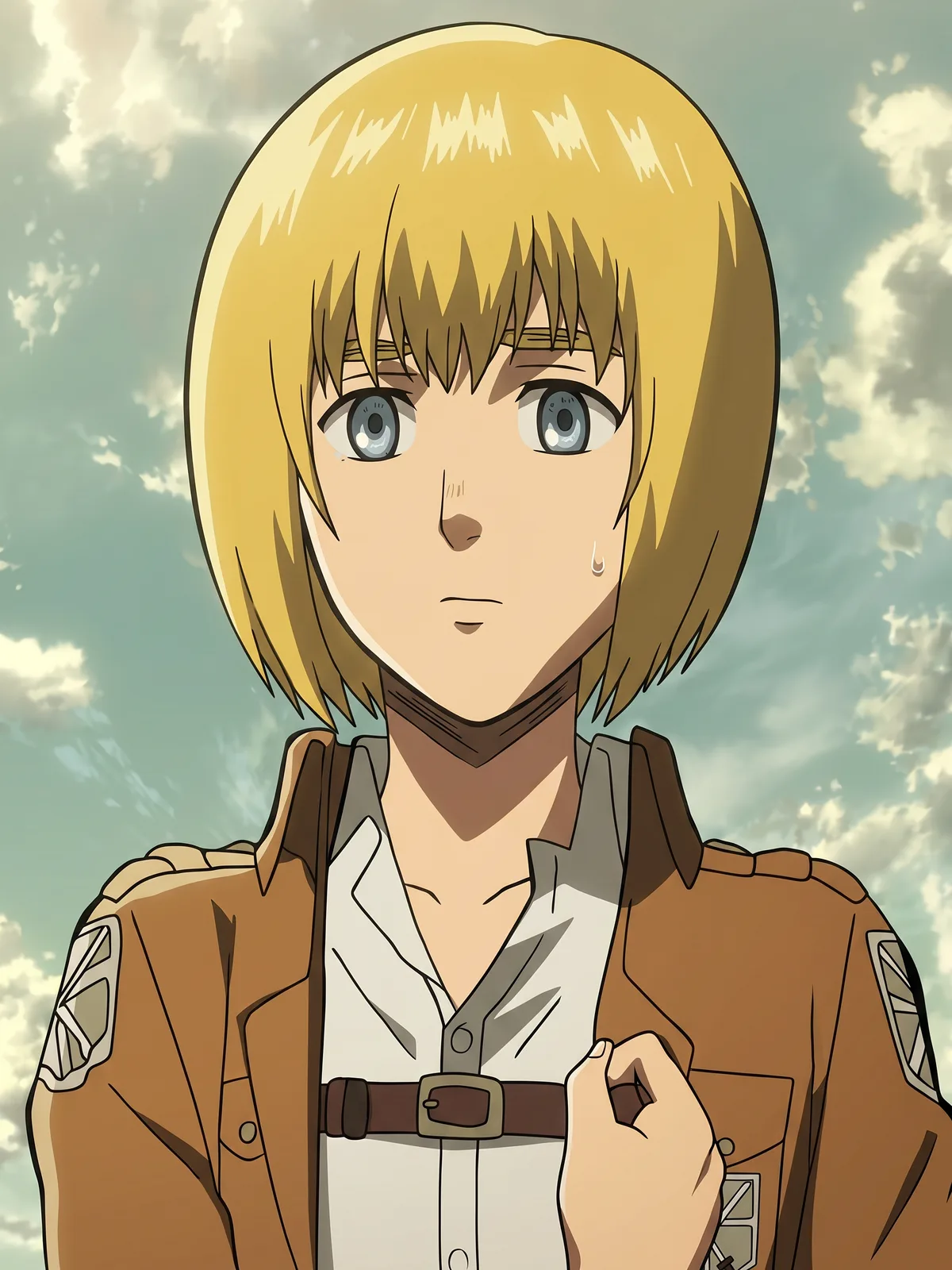
Start with Eren, Mikasa, or Armin and the relationships around them quickly reveal family ties, shared history, military paths, and emotional tensions. Hover states, labels, and clear visual grouping do the explanatory work, so the graph feels like an annotated atlas rather than a puzzle you must solve alone.


03Vocabulary
Relationship types
Not every connection means the same thing. The graph draws each bond in its own color — the exact palette you will find in the on-canvas legend — so once you learn it, you can read a whole cluster at a glance. These are the eight bond types:
Family
Blood, household, and surname. Parents, siblings, and adoptive ties — the bonds that say where someone comes from.
Romance
Love, devotion, and feelings left unsaid. Rare in this world, which is exactly why these lines stand out.
Titan Bond
Inheritance, succession, and shifter ties — the structural bonds of the world itself, drawn as luminous lines.
Ally
Trust forged around a shared cause. Allies fight toward the same goal, even across faction borders.
Comrade
The military connection. Squadmates, fellow cadets, brothers and sisters in arms — who serves beside whom.
Mentor
Guidance and command. The officers and teachers who shape a character — and the soldiers shaped by them.
Rival
Competition without hatred. Rivals push each other to be better; the tension is personal, not lethal.
Enemy
Open hostility. The lines that mark true opposition — the conflicts that drive the story forward.
Spoiler-safe
The graph respects your episode marker. Links, identities, and meanings unlock in step with your progress; anything ahead stays sealed, simplified, or hidden.
How to navigate
Search for one familiar character, read the immediate links, then narrow with the faction filter or the relationship legend. Zoom out to spot clusters; zoom in to read ties and labels.
Where to go next
Follow any path off the graph — open a character profile for detail, jump to the timeline for sequence, or visit a faction page for group context.
04Geography
The canvas can hold more than one world
For a long stretch of the story the chart is a single chain of command: one throne, one army, one population underneath it. That is not a simplification of the graph — it is everything the characters believe there is.
When the story establishes that the map is larger than that, the canvas splits. A boundary is drawn down the middle, far wider than any ordinary gap between clusters, and each side keeps its own top-to-bottom authority. Nothing crosses it by accident: a bond reaching the other side is one the story went out of its way to make.
At your episode the canvas is still one world, so there is no boundary to draw. The divide appears the moment the story puts someone on the other side of it.
05Rank
Every faction is a chain of command
A faction is not a bag of portraits. Inside its frame the cards are laid out as the org chart the story describes: the commander alone on the top row, the officers who answer to them in rows of descending authority, and the squads as their own blocks underneath.
The hierarchy is filtered like everything else. An officer you have not met is simply skipped, and a row that ends up empty collapses instead of leaving a hole — so the chart is exactly as tall as your episode has earned, never taller.
06Territories
Factions on the map
Characters cluster by allegiance. Each faction is a tinted neighborhood on the canvas with its own color, and every card carries the color of the faction its character belongs to at your current episode — when someone's allegiance changes in the story, their card moves. These are the factions you will meet:
Civilian
Families, merchants, and townsfolk caught between walls and war.
Garrison
Defenders of the walls: the guns, gates, and cannons of the districts.
Titans
The creatures beyond the walls, and the little that is known about them.
16 more factions enter the story later — keep watching and they will unlock here.
07Spoilers
Episode and spoiler controls
This is what makes the codex distinctive. You choose your current episode, and the site seals off anything you have not reached. The same principle guides the graph: early in the story, it behaves like an early-story map.
As you advance the episode selector, new links, identities, and meanings unlock in step with your progress. That turns the graph from a spoiler risk into a spoiler-safe companion — and explains why some links are hidden, sealed, or simplified until later.
Portraits grow with the story
Even the faces are episode-aware. Set the codex to episode 1 or 2 and Eren, Mikasa, and Armin appear as the children of Shiganshina; move the marker to episode 3 and the same cards switch to their cadet portraits. The graph always shows the face you know — never the face that is coming.
When a character falls
Death is part of this story, and once you have watched past it the graph does not pretend otherwise. A fallen character's card becomes a memorial: the portrait fades to grey, the frame darkens to red, and a small † ribbon marks them among the fallen. Until you reach that episode, the card stays untouched.
08Succession
Some bonds outlive the people in them
Most edges join two people. The Titan bond joins a person to something that gets passed on, which is why it is drawn differently: a soft beam under a travelling pulse, the only edge on the canvas that moves.
Where a power has had more than one holder, the graph keeps them in order. The succession is filtered like any other record — you see the holders your episode has been told about, placed in the order the story puts them in, not the order it reveals them.
At your episode this bond still joins one holder to one power. The succession appears as soon as the story shows that power changing hands.
09Navigation
Filters and navigation
You never have to read the whole world at once. The graph is built around a few direct gestures — filter, click, zoom — and each one takes you a level deeper: from the full map, to a faction, to a character, to their dossier.
- 01
Filter by faction
Open the faction control and pick one allegiance. The map redraws with only that faction's members and their bonds — the fastest way to study a single corps.
- 02
Click a faction zone
Click a faction's tinted zone or its name tab and the camera centers that neighborhood on screen, framing the whole cluster at a comfortable distance.
- 03
Choose when bonds show
A dense chart can be more lines than faces. The bond control keeps every relation drawn at rest, or holds them back until you point at someone — then only that character's neighbourhood lights up. Lines never appear or disappear on their own.
- 04
Click a character
Click any portrait and the graph centers on that character and pushes their bonds to the front: their relationship lines light up while the rest of the map falls back.
- 05
Click again, up close
Once you are zoomed in on a character, clicking their portrait opens the dossier — the full profile without ever leaving the graph.
10Questions
FAQ
Do I need to know the whole series to use this graph?
No. The graph is designed around your selected episode, so it works for first-time viewers as well as long-time fans.
Why are some names or links missing?
Because the codex intentionally seals information you have not reached yet. Hidden links are a feature, not a bug.
What is the fastest way to explore?
Search for one familiar character, read the immediate links, then use the faction filter and the relationship-type legend to narrow the map before branching out.
Where should I go after this page?
To the character archive for profiles, the timeline for sequence, faction pages for group context, and event or location pages when you want story detail tied to a place or moment.