What is the omni-directional mobility gear in Attack on Titan?
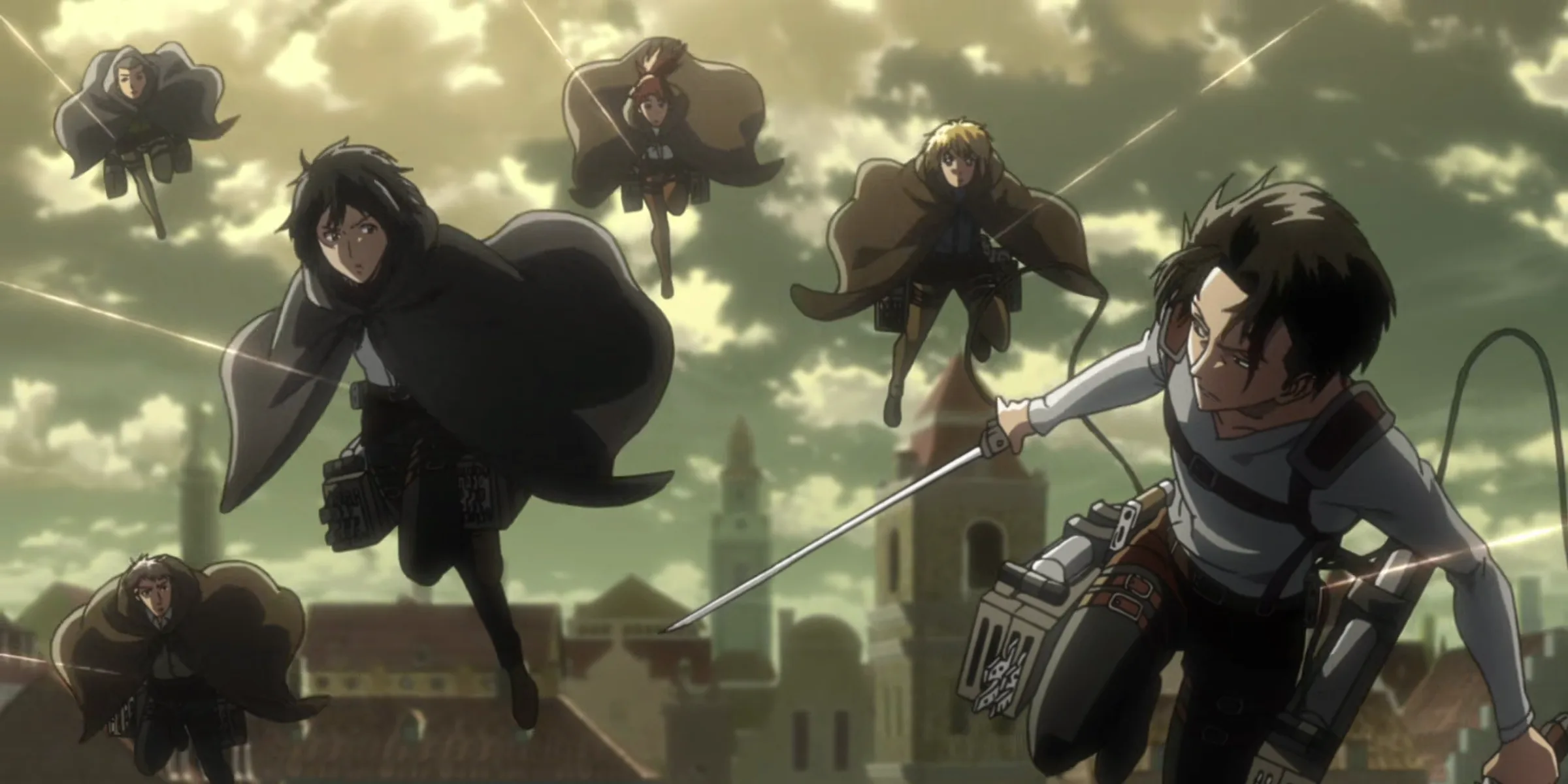
Omni-directional mobility gear is the technology that lets Attack on Titan's soldiers fight in the air. It fires two anchors, reels in their cables and releases pressurised gas, turning buildings, walls and trees into pivot points.
- Category
- The world
- Read time
- 8 min
- Updated
- Spoilers
- Full
- Share
ODM stands for omni-directional mobility. The gear is a harness fitted with two anchor launchers, cables and winches, hand controls, gas propulsion and interchangeable weapons. It does not make the user fly: it pulls them between anchor points while gas adds speed and corrects their trajectory.
What does ODM gear mean?
ODM stands for omni-directional mobility. It is the same device also called three-dimensional maneuver gear, 3D maneuver gear or 3DMG in different translations. Every name describes the same idea: leaving flat, two-dimensional combat behind and moving around a target in three dimensions.
The parts of omni-directional mobility gear
A body harness distributes the load across the legs, waist and torso. Housings at the hips fire the anchors and hold the steel cable; winches reel it in and pull the body toward the fixed point. Gas nozzles add speed, sustain momentum and help correct the angle.
The hand grips double as controls and sword hilts. Their triggers coordinate anchor fire, retraction, gas and blade release. Scabbards at the sides carry replacement blades: an edge loses effectiveness quickly, so a soldier must be able to swap it without landing.
- Anchor
- A grappling projectile that fixes into a solid surface and creates the point from which the cable pulls.
- Winch
- The mechanical spool that reels in the cable and turns an anchor into traction.
- Propellant gas
- The pressurised reserve that adds thrust. Once it runs out, the gear loses effective mobility.
- Ultrahard steel
- The material used for segmented blades designed to cut deep through a titan's nape.
How does ODM gear work? Step by step
Choose an anchor point
The user finds stone, wood or another surface able to take the load. Without something solid above or beside them, there is no path.
Fire one or two hooks
One anchor creates a broad arc; two can split the load, stabilise the body or change axis more precisely.
Reel in the cable
The winch shortens the line and pulls the soldier toward the anchor. Gravity and momentum bend that path into an arc.
Add gas and orient the body
A burst of gas adds speed or corrects direction; the hips, legs and torso turn that thrust into a controlled rotation.
Release and repeat
Before momentum fades, the user releases the line, fires at a new point and chains the next curve.
How soldiers train to master ODM gear
Training begins before a cadet fires a single anchor. The first aptitude test suspends the recruit from a frame while wearing the harness and requires them to remain upright. It does not measure speed or courage: it tests whether they can sense a shifting centre of gravity and correct it without losing balance. Anyone who cannot pass that foundation cannot continue with the gear.
During 104th Cadet Corps training, that stability gradually becomes movement. A recruit must orient their hips and torso while cables pull from different angles, choose useful anchor points, ration a limited gas supply and preserve momentum between trajectories. Blade combat comes next: approach at speed, control the rotation and make a precise cut without colliding with the target.
Eren Yeager's test makes the mechanical side explicit. He appears unable to stay upright until the instructors discover a faulty belt; with working equipment, he holds his balance even in a difficult position. The scene separates two failures an instructor must diagnose: a body that has not mastered the system and a system that is malfunctioning.
Suspended balance
Hold a stable posture inside the harness and correct every shift in the body's centre of gravity.
Body control
Use the core, hips and legs to orient the body while traction changes direction.
Reading the terrain
Choose strong surfaces, alternate anchors and anticipate the arc each cable will create.
Managing momentum
Ration gas, use gravity and chain manoeuvres without slowing down or exhausting the reserve too early.
Blade attack
Enter at the correct angle, pass the nape and complete a deep cut while preserving an exit path.
How soldiers use ODM gear against titans
The gear solves an anatomical disadvantage: a human is fighting a giant whose vulnerable point sits high behind its head. The soldier must circle it, evade its hands and jaw, build speed and cross the nape with both blades. The strike must remove a deep section, not leave a superficial wound the titan can regenerate.
The Defense of Trost exposes the system's cost. A city offers thousands of anchors, but gas and blades remain finite. Once the cadets run out of fuel, rooftops stop being routes and become islands. In Levi's hands, by contrast, each cable prepares the next angle before the titan can react.
| City | Forest | Open ground | |
|---|---|---|---|
| Anchors | Numerous and strong | High and continuous | Few or nonexistent |
| Advantage | Rapid direction changes | Speed and ambush | Visibility |
| Risk | Tight streets and civilians | Crossed lines and branches | Being grounded |
| Tactic | Circle and strike the nape | Attack from above | Horses and formation |
- Year 847The 104th Cadet CorpsEren, Mikasa and Armin enlist and train under Keith Shadis alongside the recruits who will shape humanity's fate.
- Year 850Defense of TrostThe breach at Trost throws the newly graduated cadets into their first battle.
- Year 850The Return to ShiganshinaThe Scouts ride through the night to retake the town where it all began.
Types of ODM gear and how they evolve
The original model is optimised to kill titans with blades. The Uprising reveals an anti-personnel design: it moves the mechanism toward the back and shoulders and replaces sword grips with firearms. Kenny Ackerman and his squad turn it into a tool for urban pursuit.
Later, the Scout Regiment combines mobility, pistols, blades and Thunder Spears. The technology no longer answers a single enemy: it adapts to humans, fortifications and armoured titans. Its silhouette remains recognisable, but its mission has changed completely.
| Traditional model | Anti-personnel | Late-series loadout | |
|---|---|---|---|
| Weapon | Twin blades | Firearms | Guns, blades and spears |
| Target | Titans | People | Titans, troops and structures |
| Layout | Hips and waist | Back and shoulders | Hybrid system |
| Doctrine | Hunt the nape | Urban control | Combined warfare |
ANTI-TITAN
Traditional gear
Hip-mounted mechanisms, gas canisters and replaceable blades in horizontal scabbards. Every part is arranged to reach and cut the nape.
ANTI-PERSONNEL
Military Police variant
The assembly shifts toward the back and shoulders, while firearms replace swords. It favours shooting, pursuit and turns between buildings.
TOTAL WAR
Late-series loadout
It combines guns, blades and Thunder Spears in a hybrid platform built to fight titans, soldiers and fortifications.
Limits: could ODM gear work in real life?
The gear could not work in real life as shown on screen. Grappling hooks, winches and thrusters exist separately, but the acceleration, abrupt direction changes and loads transferred through the harness would cause severe injury. It would also need extraordinarily reliable anchors, long cables and far more stored energy than the compact gear appears to carry.
Frequently asked questions
What does ODM stand for in Attack on Titan?
ODM stands for omni-directional mobility. It describes the gear's ability to move its user through three dimensions with anchors, cables and gas.
Are ODM gear and 3D maneuver gear the same thing?
Yes. ODM gear, 3D maneuver gear, 3DMG and vertical maneuvering equipment are different translation names for the same system.
Does ODM gear let its user fly?
Not in the strict sense. Cables pull the user toward anchor points and gas adds thrust; the appearance of flight comes from chaining those arcs without landing.
How is ODM gear controlled?
With two hand grips that also serve as blade hilts. Their triggers and levers control the anchors, cable retraction, gas release and blade changes.
How do soldiers train to use ODM gear?
They begin suspended in a harness to master balance. They then train body control, anchor selection, momentum and gas conservation, and blade attacks until they can combine every action without stopping.
What happens when ODM gear runs out of gas?
The gear loses the propulsion needed to maintain speed and correct direction. The user may retain some momentum or cable tension, but is effectively grounded once they land.
Why does ODM gear need buildings or trees?
Because its anchors need high, solid surfaces to pull against. Open ground offers no pivot points, so soldiers depend on horses, formations and nearby structures.
Why are ODM gear blades replaceable?
Fighting titans dulls and breaks the edge. The scabbards carry multiple blades so a soldier can eject a damaged one and fit another during a manoeuvre.
Could ODM gear work in real life?
Not with the speed and freedom shown in the series. Grappling and cable systems can be built, but the acceleration, impacts, anchor reliability and energy required make the complete gear impractical.
Is there a game where you can try ODM gear?
In the Codex you can play ODM Training, a free browser game where you hook onto posts, fly over the titans and manage your gas without touching the ground.
- MUN·001The world
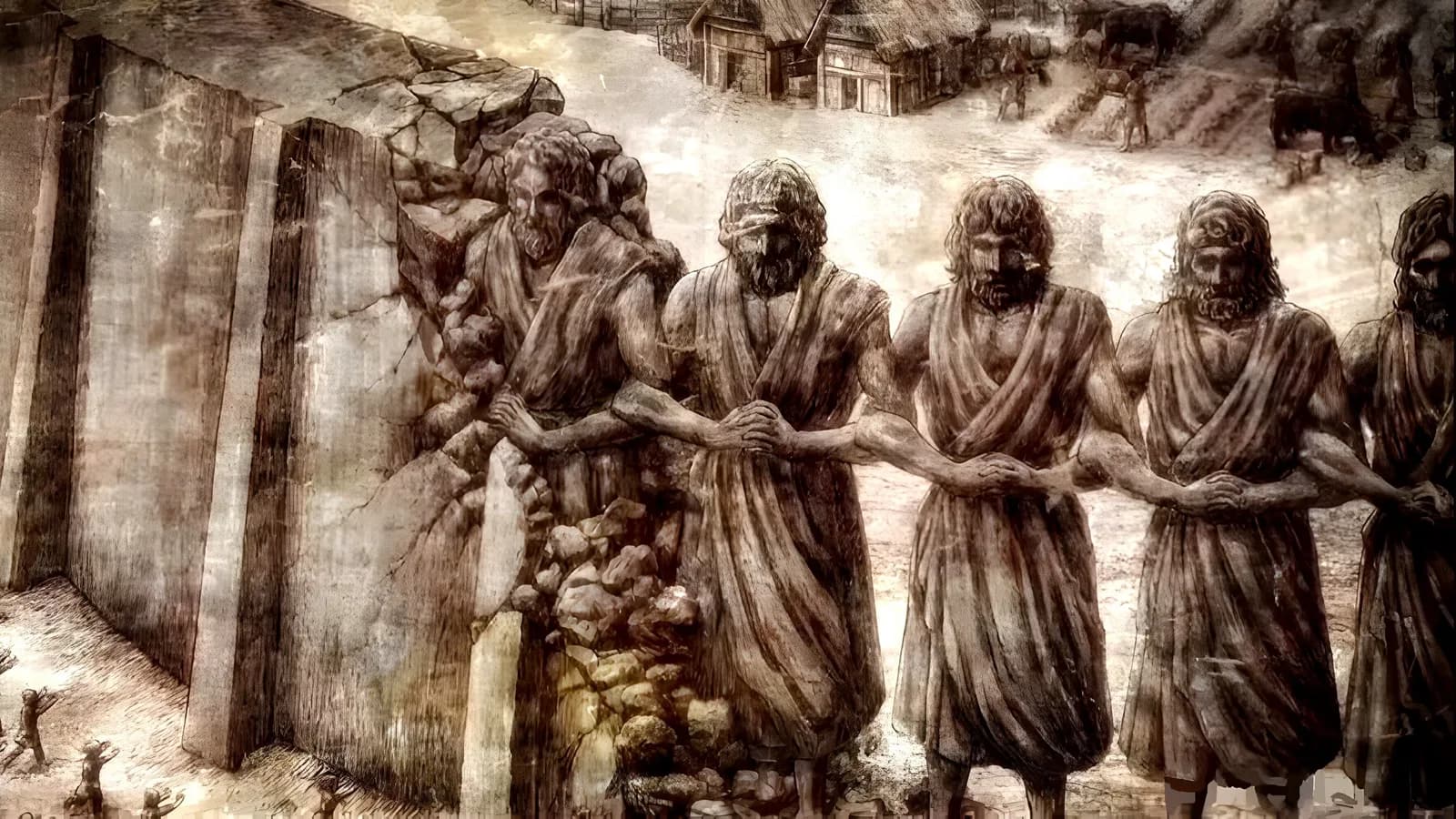 What are the walls in Attack on Titan and why do they exist?On a first reading, the walls are the colossal defence that lets humanity survive the titans: three concentric rings roughly fifty metres tall, sheltering the last known civilisation. That is the apparent truth Attack on Titan opens with, and it carries the emotional weight of the show's first half.
 - TIT·001Titans
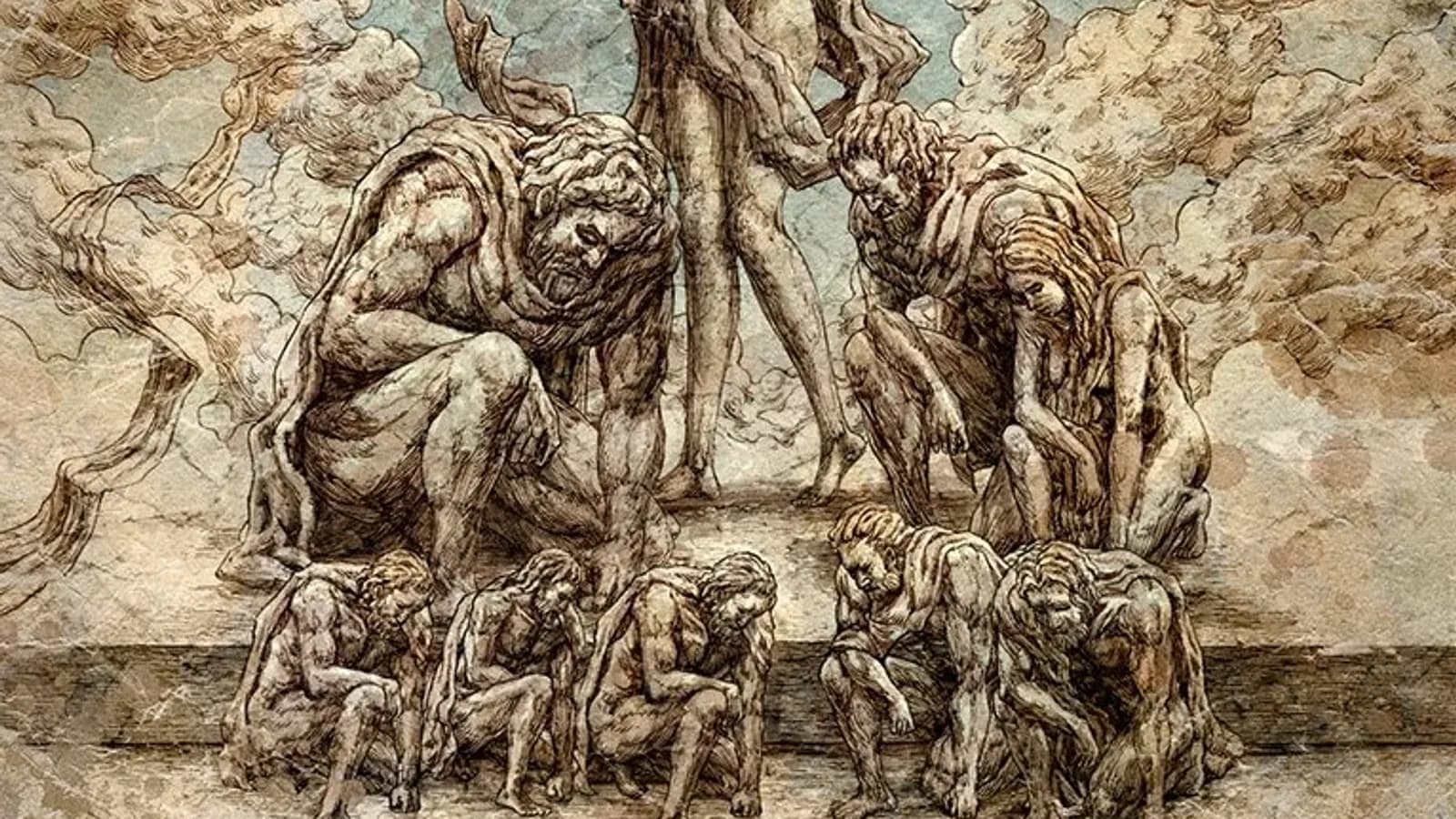 Who are the Nine Titans in Attack on Titan?The Nine Titans are nine distinct powers, each with its own form, size and ability. Unlike pure titans, whoever inherits one keeps their human mind and chooses when to transform: they are weapon, symbol and sentence all at once.
 - INS·001Institutions
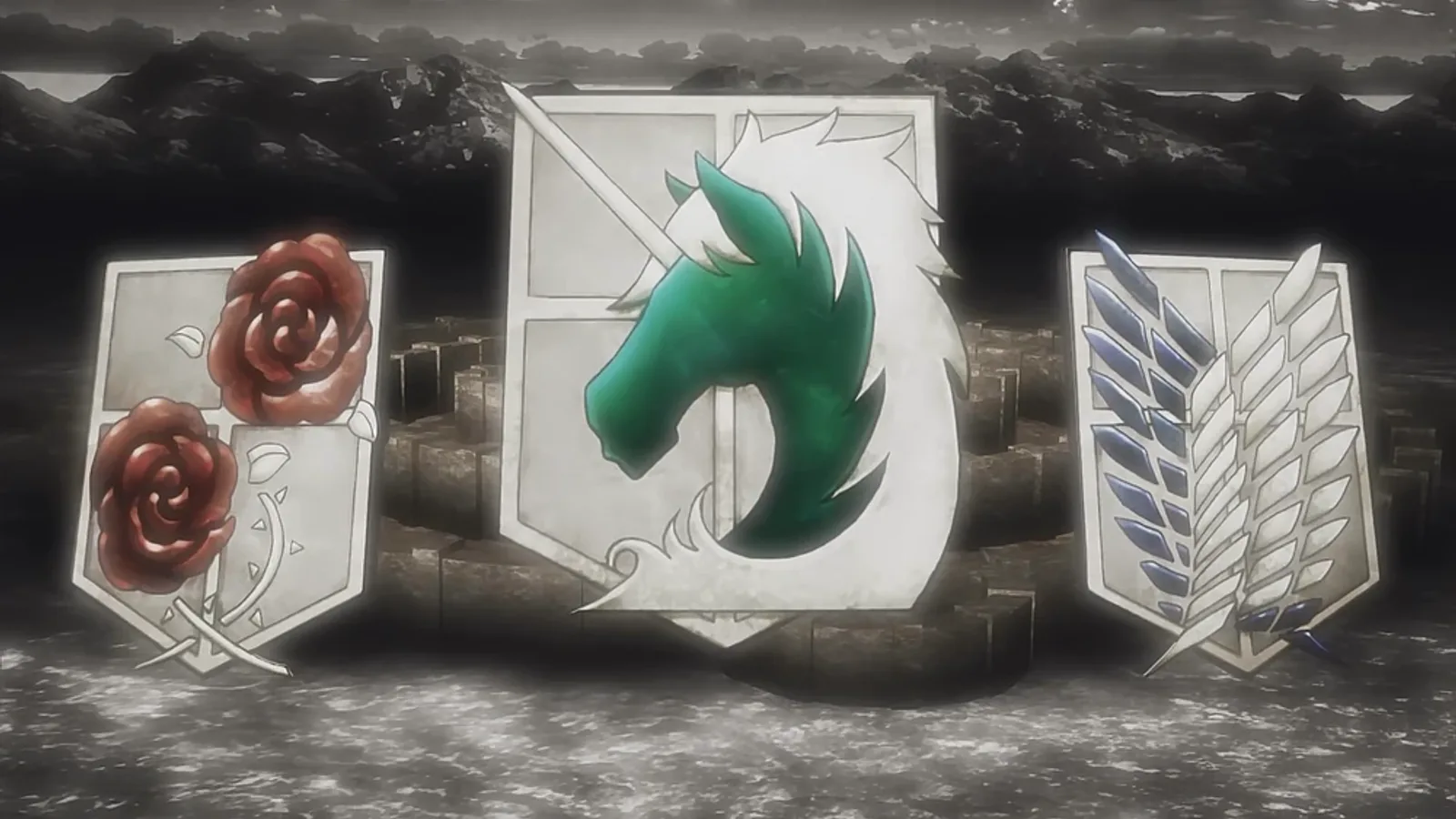 What are the military branches in Attack on Titan?Inside the walls, a recruit does not choose a job: they choose a branch. There are only three, and what separates them is not rank or weaponry but how far from the outer wall a soldier spends their life. The choice is made at fifteen, in front of the whole class, and it defines almost everything that follows.
 - TIT·002Titans
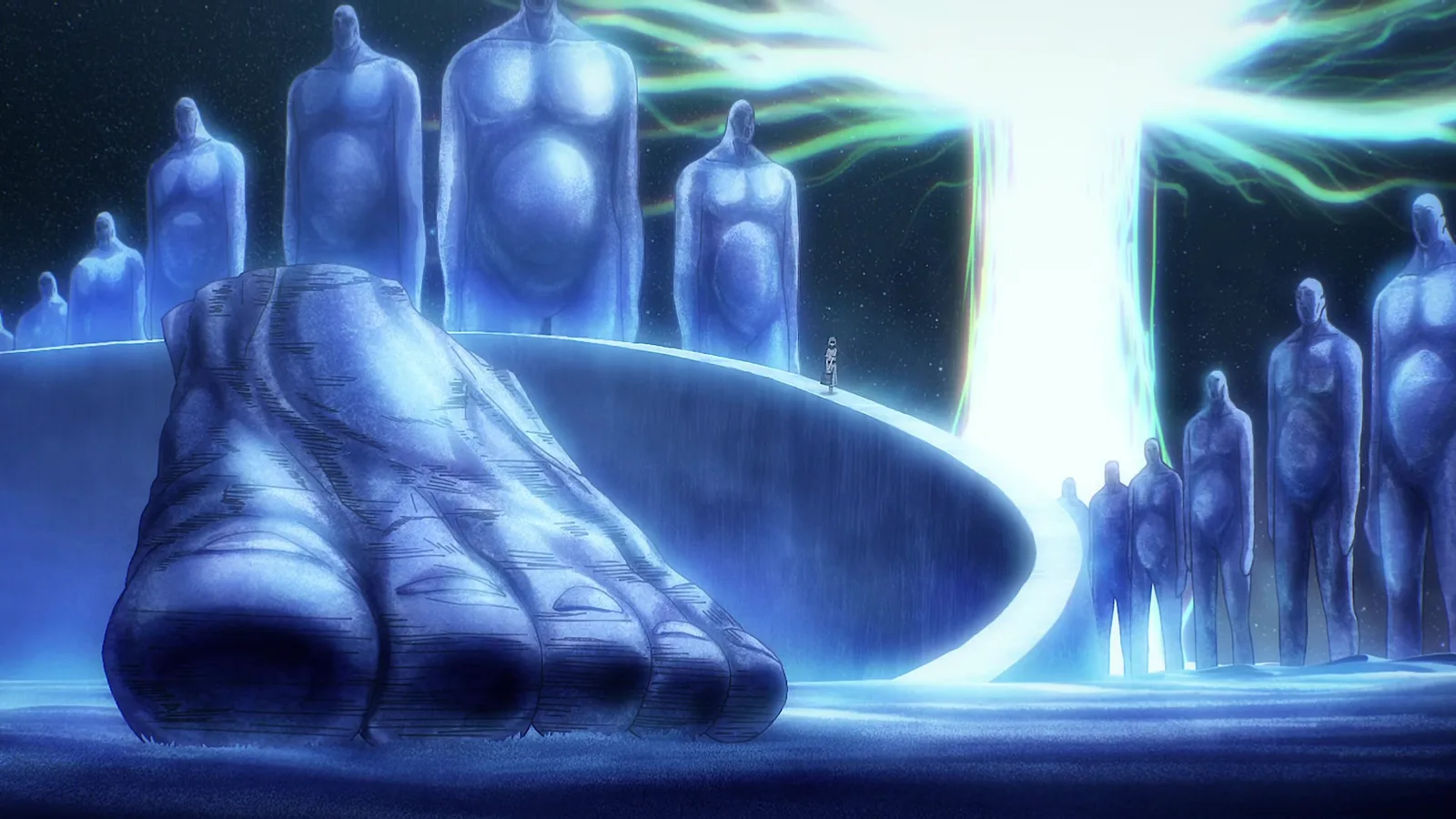 Who are the Subjects of Ymir, the Eldians of Attack on TitanThe Subjects of Ymir are Ymir Fritz's descendants and the only people who can be transformed into titans. Beyond Paradis, different states identify them as Eldians; Marley confines them in internment zones and uses the possibility of transformation to justify segregation, military recruitment and propaganda.